About the Just Communities Accredited Practitioner Credential
What It Is
The Just Communities Accredited Practitioner designation equips you to implement community-scale development that repairs historical harm, prevents displacement, and builds lasting resilience.
- Master a powerful framework for change
- Join a movement, not just a network
Stand out for the right reasons: Signal your commitment to justice-centered development that communities control and benefit from. In a field full of lofty ambitions, demonstrate you have the skills to deliver transformative results.
Ready to lead change that communities actually want?
Download the Complete AP Program GuideWhy It Matters
Today’s land use and development challenges have never been more complex. Economic disparities, climate vulnerability, housing shortages, and systemic inequities are converging in the same neighborhoods—the ones historically excluded from investment and now facing the greatest climate risks.
These are not just problems. They are opportunities for radical transformation that demand practitioners who can support community-led solutions with strategic precision and genuine partnership.
Becoming an AP isn’t about passing a test—it’s about having the expertise to effectively support community leadership, and joining a living network of changemakers. This process helps clarify your values, build alignment, and strengthen your role in collective action.
Join the Community. Enroll Now.
Meet The Faculty

Tsedey Betru
Tsedey is the Director of Just Communities at the Partnership for Southern Equity. Originally from Ethiopia, Tsedey’s experiences immigrating to the U.S. and growing up in Memphis, TN, have shaped and informed her 20-year career advancing racial equity in community and economic development. She started her career as a community organizer for the National Voting Rights Institute and the 7th St. Community Improvement Initiative in Oakland, CA. After completing her graduate studies in urban policy analysis and nonprofit management, Tsedey worked at PolicyLink and at the Drum Major Institute for Public Policy in NYC before becoming the Vice President of Community LIFT in Memphis, TN. More recently, she has moved into economic development and philanthropic advising, working as the Manager of Community Affairs & Strategic Initiatives for Invest Atlanta, as an economic development advisor to Memphis Mayor Wharton, and a philanthropic advisor to the Estee Lauder Charitable Foundation, Waverley Street Foundation, and Gates Foundation. Tsedey currently serves on the City of Atlanta’s Urban Design Commission, the Atlanta BeltLine Public Arts Advisory, and raises funds for the African Diasporic Arts Museum of Atlanta.
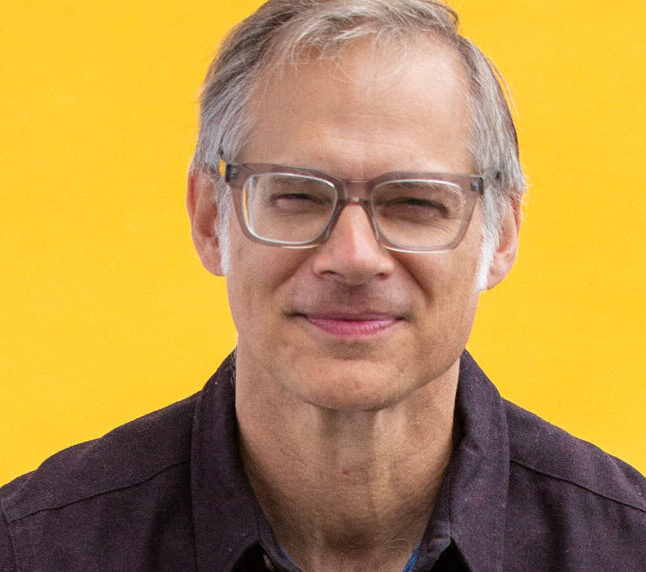
Rob Bennett
Rob is a senior advisor to the Partnership for Southern Equity and the founder and former CEO of EcoDistricts and Portland Sustainability Institute. With over 30 years of experience, he is a recognized leader in the sustainable and equitable cities movement, specializing in municipal sustainable development projects, standards, and policies at the intersection of green and equitable urban design, planning, and development. Before founding EcoDistricts, Rob established the Portland Sustainability Institute (PoSI), a mayoral think tank dedicated to accelerating sustainability policy and project innovation in Portland. His career also includes work with the Clinton Foundation, where he supported climate action initiatives across North America, and with the cities of Portland, Oregon and Vancouver, Canada. In these roles, he developed green development market transformation initiatives, including catalytic projects such as Lloyd Crossing (now the Lloyd EcoDistrict in Portland), Brewery Blocks (Portland), South Waterfront (Portland), and the 2010 Olympic Village (Vancouver).

Alayne Hightower
Alayne serves as the Just Communities AP Program Manager, bringing over 30 years of experience in community-based programming and cross-sector collaboration. Her career spans multiple disciplines, grounded in a deep commitment to advancing equity and social impact.
At the core of Alayne’s work is a profound belief in the power of collective action to bring positive change. She leads with an unwavering commitment to equity, inclusivity, and a shared sense of responsibility for the well-being of all.
Alayne holds a Master of Public Policy with a concentration in Sustainability and a bachelor’s degree in political science. To expand her impact, she also earned certifications in data analytics and data visualization tools, leveraging technology to amplify impact and social good.
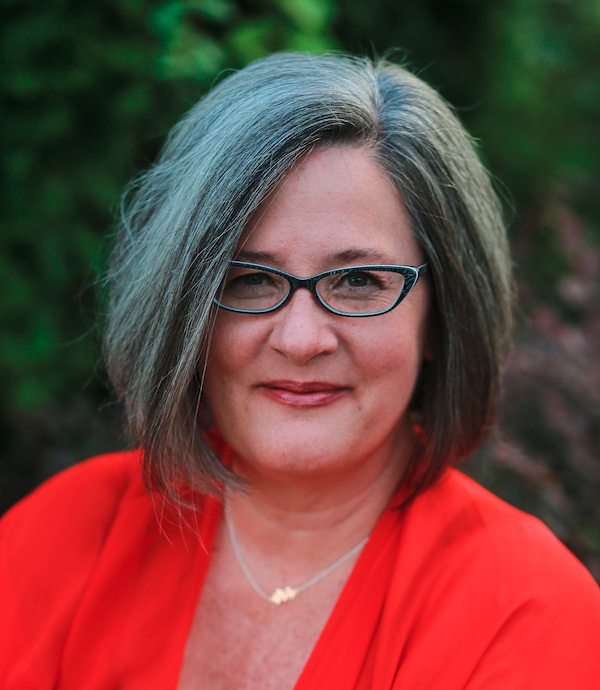
Suzanne Burnes
Suzanne Burnes brings more than 30 years of experience in sustainability, community development, and environmental justice to her role as director of the Just Growth Portfolio for the Partnership for Southern Equity (PSE). Highlights of her accomplishments at PSE include: facilitation of the Atlanta Water Equity Task Force from 2018-2020, resulting in the Atlanta Water Equity Roadmap; leadership in the development, delivery, and adoption of Georgia’s first local government Equitable Growth and Inclusion Strategic Plan for the City of East Point in 2021; and leading the acquisition and evolution of EcoDistricts to form Just Communities, a new national framework for neighborhood-scale equitable, climate-resilient community development. Her career includes serving as an EPA and Department of Defense consultant on Superfund research, litigation support, and environmental compliance, and founding an Atlanta community development corporation. She led Georgia state government’s efforts to create public-private sustainability partnerships; served as executive director of local nonprofit Sustainable Atlanta; and founded Collective Wisdom Group, an Atlanta-based firm serving nonprofit, local government, higher education, and philanthropic clients. Through her practice, she notably advised local governments across the Southeastern US on their sustainability efforts, particularly around partnership development and integration of equity into their climate resilience and green infrastructure projects. Suzanne’s strengths are in building relationships among diverse voices for community and ecosystem benefit.
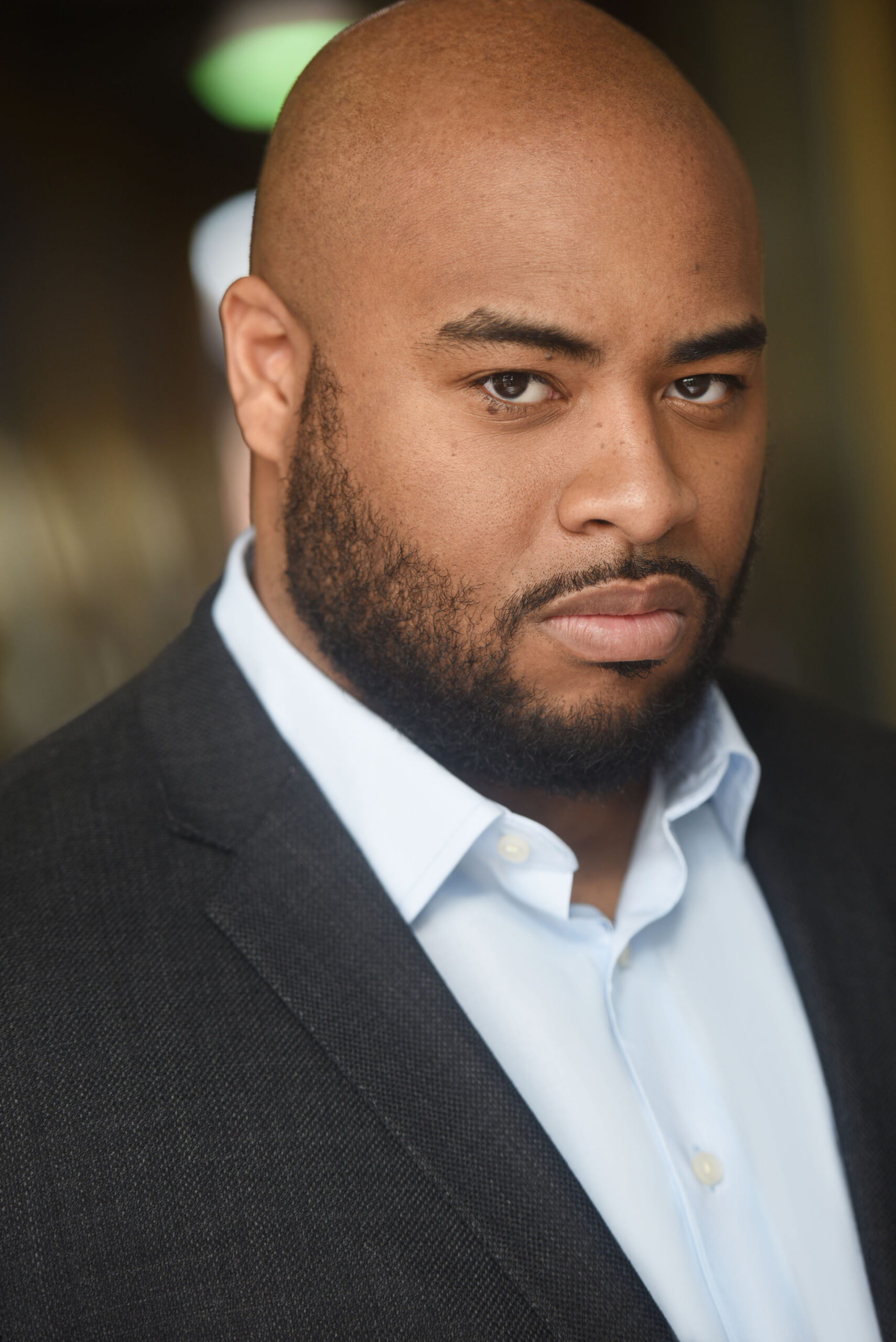
Nicholas Mulkey
Nicholas Mulkey is an urbanist, economic/community development
professional, and global affairs strategist based in Atlanta. His work
focuses on the intersection of cities, international engagement, and
community development, with an emphasis on how global partnerships,
culture, and economic collaboration can strengthen local communities
and expand opportunity.
He serves as President of CNU Atlanta, the local chapter of the
Congress for the New Urbanism, where he leads efforts to advance
walkable, equitable, and people centered urban development throughout
the Atlanta region and the southeast. Under his leadership, the
chapter has grown into a dynamic platform for dialogue, education, and
collaboration among planners, developers, advocates, and civic
leaders.
Nicholas believes that equity begins with well planned communities
that adhere to principles of new urbanism and systems of equity built
by intentional place-based economic development. In his free time,
Nick enjoys writing screenplays, gaming, and exploring cities.