Across the country, communities are stepping up to lead the way toward more just, equitable, and regenerative futures. These grassroots efforts prove that real transformation doesn’t always start in boardrooms or government offices; it begins in neighborhoods, at kitchen tables, and in local gathering spaces where people come together to reimagine what’s possible.
Here are five ways communities are driving change from the ground up:
1. Reclaiming and Redesigning Public Spaces for Equity
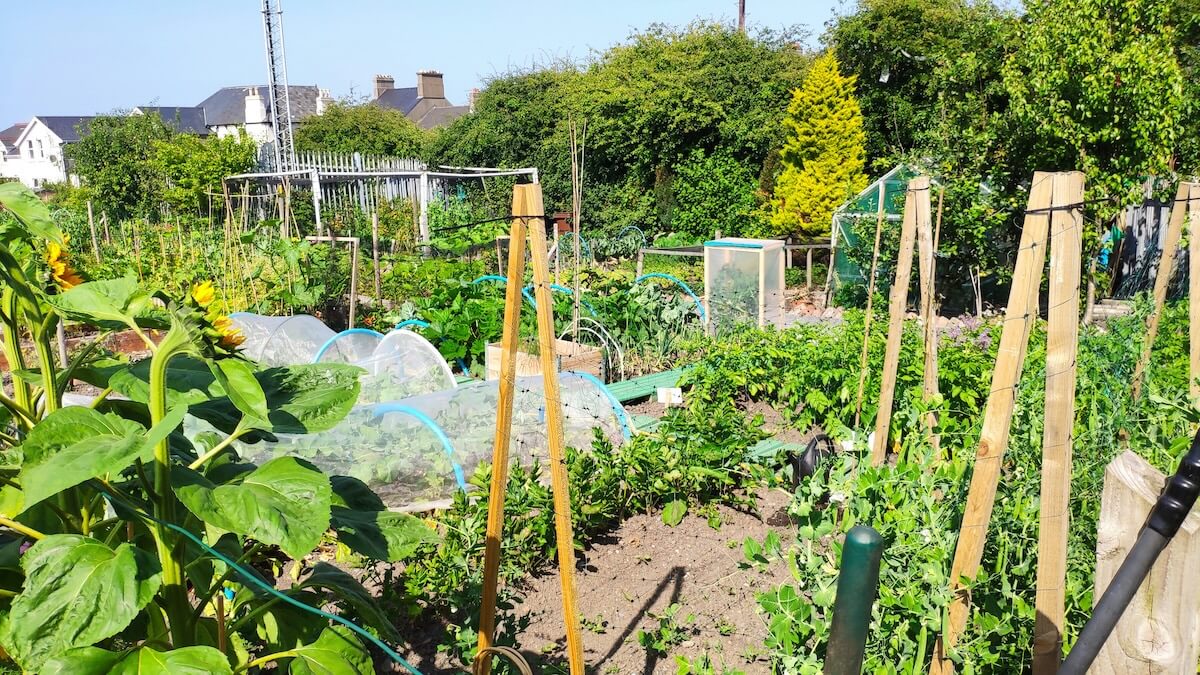
Community members are organizing to transform neglected parks, streets, and vacant lots into vibrant spaces for connection and wellness. From urban gardens to pop-up markets and art installations, these projects reimagine public spaces as hubs for cultural expression and environmental justice.
Example: Neighborhood coalitions in Atlanta have turned empty lots into food forests, providing fresh produce and fostering food sovereignty.
2. Building Civic Participation and Local Leadership

Grassroots groups are empowering neighbors to have a voice in decision-making. By hosting town halls, training local leaders, and encouraging participation in planning processes, communities are ensuring that development reflects their needs and values.
Why it matters: Civic participation strengthens democracy and ensures equitable outcomes in urban planning and policy.
3. Championing Environmental Justice Initiatives

Frontline communities are leading the charge against environmental hazards, advocating for clean air, water, and healthy ecosystems. These efforts often target inequities in how environmental burdens are distributed.
Spotlight: Residents in historically marginalized neighborhoods are collaborating with organizations to monitor air quality and advocate for greener infrastructure.
4. Fostering Economic Resilience Through Local Enterprise

From cooperatives to mutual aid networks, communities are creating economic systems that prioritize people over profits. Supporting local businesses, developing workforce training programs, and launching community-owned projects are key strategies.
Impact: These approaches keep wealth circulating locally and build long-term resilience.
5. Creating Spaces for Healing and Storytelling
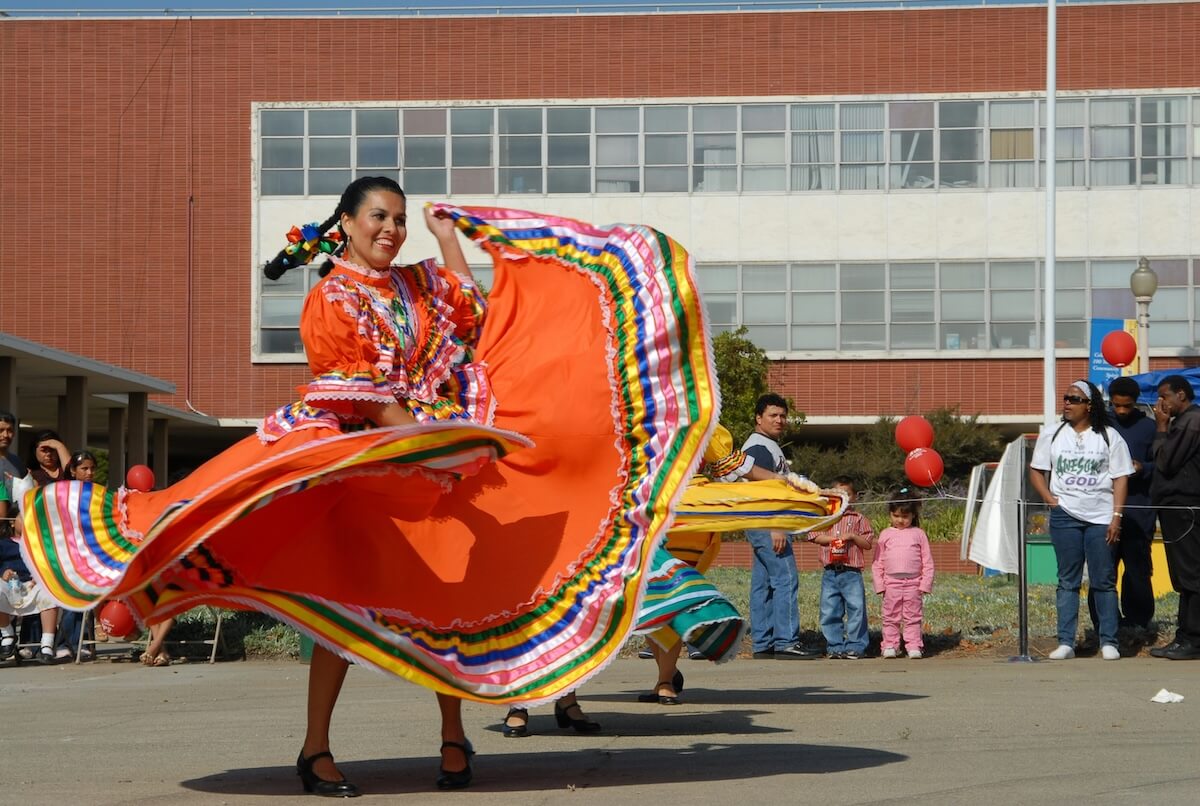
Social transformation requires emotional and cultural work. Communities are hosting storytelling circles, cultural events, and healing spaces to process collective trauma and envision shared futures.
Takeaway: Storytelling bridges generations, uplifts underrepresented voices, and fuels collective action.
Ready to Take Action?
At Just Communities, we believe that the most powerful changes happen when communities lead. Explore our resources to start or support transformative initiatives in your neighborhood.
Together, we can build communities that are equitable, resilient, and regenerative.