
August 27, 2025
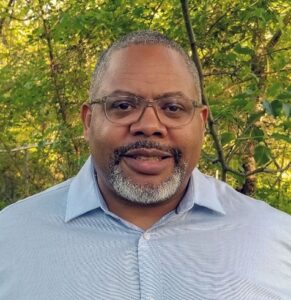
Catawba Trail Farm, once a plantation, is now a thriving space for community healing, led by a Black women-run nonprofit. Landscape architect Kofi Boone, FASLA (Fellow of the American Society of Landscape Architects), has spent years supporting their vision, not by stepping in, but by walking alongside. He’s now helping identify unmarked burial grounds on the site, guided by the farm’s own priorities and trust.
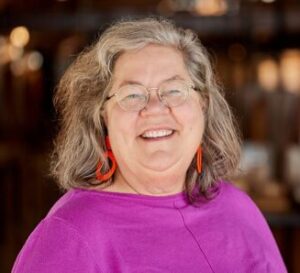
Across the country at Mithun, Deb Guenther, FASLA, is integrating Indigenous knowledge into design and contributing to the ASLA’s updated Climate and Biodiversity Action Plan, ensuring that climate action begins with the voices of those most impacted.
Her work also includes years of partnership with the Skyway Coalition in King County, WA, supporting Black homeownership and land management in collaboration with Homestead Community Land Trust, the Community Land Conservancy (a Black-led land organization in Seattle), and Washington Farmland Trust.
The project in Skyway—Brooks Village—has been community-driven from the beginning and is now recognized as a model demonstration project in the County.
Both Boone and Guenther are living examples of what the Just Communities AP credential is really about: leading with humility, partnering with purpose, and reshaping practice from the ground up.
Reimagining the Role of Landscape Architects
The AP credential doesn’t hand you a checklist. It offers something more powerful: a way to lead with clarity and conscience. For Boone and Guenther, it’s not about adding a line to a résumé; it’s about reinforcing a mindset already in motion.
Boone’s community-rooted work led him to launch the Just Communities Lab at NC State University, which pursues grant funding so that community partners can benefit from technical support at no cost to them. Every project begins with a conversation — and grows from shared understanding.
At Mithun, Guenther’s team is prioritizing building and maintaining relationships with Native communities, shifting how design is done and who it’s done with. Co-designing with Indigenous culture keepers helps ensure that equity is woven into firm culture, project strategy, and national leadership.
Why It Matters Now
These examples from Boone and Guenther aren’t isolated success stories—they represent a fundamental shift in how landscape architects can approach their work. Here’s what makes their AP-driven approach so powerful:
- Trust over transaction
- Relationships over one-time deliverables
- Local knowledge guiding global challenges
For landscape architects who want to do more than design, and for planners, architects, engineers, educators, and other changemakers rethinking their role in climate, culture, and community development, the AP credential offers powerful support.
This isn’t just a professional enhancement. It’s a framework for anyone working at the intersection of people, place, and systems. Whether you’re shaping public space, influencing policy, engaging communities, or leading within institutions, the AP credential helps you align your values with your work and lead with clarity, purpose, and long-term impact.
This is your invitation to lead differently.
Become a Just Communities AP