
The Just Communities Blog
News and Updates from Our Team

Housing and Transportation Affordability Index
The Housing and Transportation (H+T®) Affordability Index is an online tool that provides a comprehensive view of affordability that includes both the cost of housing and the cost of transportation at the neighborhood level.
Mobile Grocery Store Units
Mobile grocery units are gaining momentum as a way of combatting food deserts. The USDA defines food deserts as “a census tract with a substantial share of residents who live in a low income area that have low access to a grocery store or healthy affordable retail outlet.” Their mobility allows for outreach to multiple neighborhoods at a time.
Transportation Demand Management
Transportation demand management (TDM) refers to various strategies that change travel behavior (how, when, and where people travel) in order to increase the efficiency of transport and parking systems in alignment with planning objectives. Many factors affect people’s transport decisions, including the relative convenience and safety of travel modes, cost and land use.
Active Living
According to the Active Living Research program from the Robert Wood Johnson Foundation, active living integrates physical activity into the daily routines of people — 30-60 minutes per day. To facilitate and support opportunities for active living, a focus on the built environment and good urban design is essential—including neighborhoods, transportation systems, buildings, street and sidewalk design, parks and open space.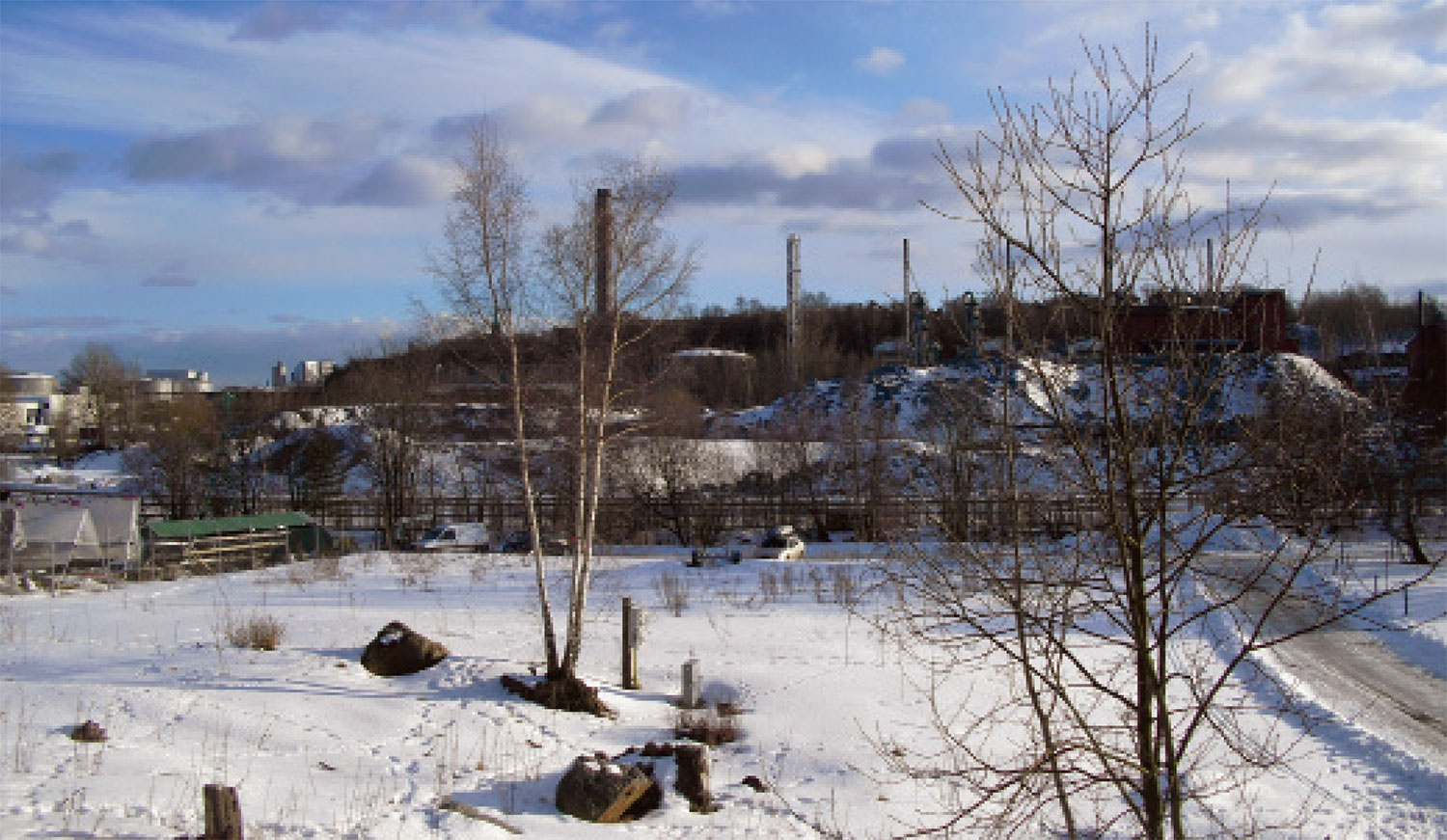
Stockholm Royal Seaport
Formerly a brownfield site, the Stockholm Royal Seaport is designed to be a world-class waterfront urban district with a strong focus on sustainability. When completed in 2030, it will provide 10,000 apartments and 30,000 workspaces. The Stockholm Royal Seaport aims to be a diverse neighborhood combining offices and climate-adapted housing with a green inner-city character.
Bike Sharing
Bike-sharing systems are public active transportation programs comprised of interconnected stations that exchange bicycles for free or at an affordable rate for short distance trips in urban areas. These programs offer an alternative to motorized transportation to prevent its negative externalities, and present opportunities for increased physical activity.
1-7 of 7