In neighborhoods across Atlanta, community gardens are thriving, once-polluted creeks are being restored, and legacy residents are holding their ground in the face of development pressure. Neighbors are proving what’s possible when the people closest to the challenges are resourced to lead the solutions.
When Just Communities launched in January 2025, the vision was unapologetic: put resources directly into the hands of communities that have been ignored, and let them lead.

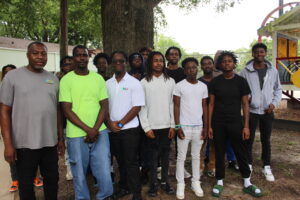
Eight months later, that vision is not a theory. It’s happening in housing fights, watershed campaigns, and neighborhood parks across Atlanta.
Two Cohorts, One Vision
Through support from the Bezos Earth Fund’s Greening America’s Communities (GAC) initiative, PSE regranted funds to two cohorts of community partners, each advancing environmental justice from a different angle:
Cohort Power: Ten Organizations, One Truth
In its first year, the Cohort Program brought together two cohorts of 10 organizations:
- The JC Pilot Cohort – Zion Hill CDC, Hunter Hills Neighborhood Association (HHHNA), Peoplestown Revitalization Corporation, and Historic District Development Corporation (HDDC).
- The Just Green Accelerator Cohort – The Green Team of English Avenue, Friends of Empire and Harper Park Southside Concerned Citizens, Good Food Green City, ArtsXchange/Fresh Oasis Community Garden, Historic Westside Gardens, and Proctor Creek Stewardship Council/ECO-Action.
Together, the Pilot and the Accelerator are showing two sides of the same truth: when communities are resourced, they deliver. And through this initiative, every organization received communications support to strengthen its voice and expand reach.
Stories of Transformation
- Peoplestown Revitalization Corporation (PRC) has fought displacement for decades. With Cohort support, they are showing how housing justice and climate resilience must go hand in hand—linking affordable housing with green infrastructure solutions so families stay rooted and the city is held accountable.
- In English Avenue, is a resident-led group restoring vacant lots and City of Atlanta parks with native plants, pollinator gardens, and trees. Neighbors reclaimed land once dismissed as blight, making significant progress on reforestation after EPA removal of contaminated soils. Residents remediated four acres of parkland, planted 30 new trees, and hauled away 12,000 pounds of debris—while leveraging $270,000 in new investment. It’s not just cleanup—it’s reclamation led by the very people who live there.
- Southside Concerned Citizens (SSCC) is organizing tenants, homeowners, and youth for safe housing and greener streets. From neighborhood meetings to email campaigns, they are mobilizing residents to demand accountability and resources. A grassroots organization, they also steward two underused parks in Southeast Atlanta—creating new trails, installing interpretive signs, and planting trees to improve safety and public use.
- Good Food Green City is expanding Atlanta’s food sovereignty. Their work connects local growers, residents, and advocates to build food access systems that are community-led and equitable. A youth-led urban agriculture nonprofit, GFGC expanded its backyard food forest program this year, planting seven new multi-layered food forests for legacy homeowners in Southwest Atlanta neighborhoods.
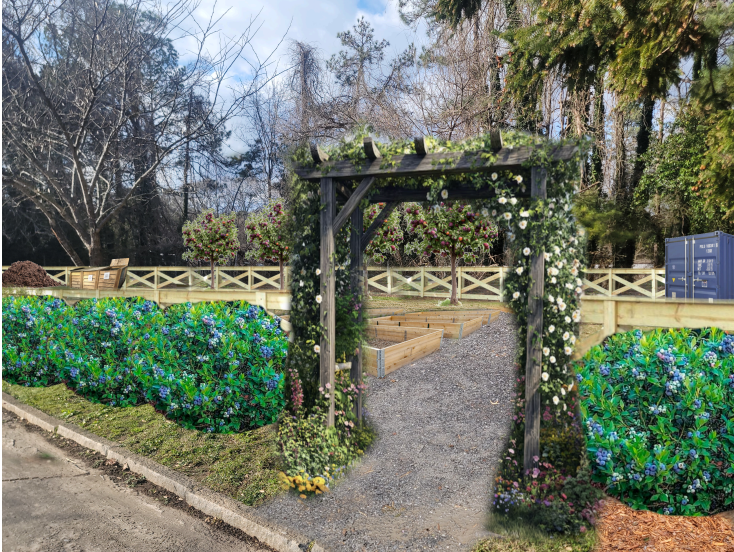
- At ArtsXchange’s Fresh Oasis Community Garden, families in East Point are growing food, health, and community together. Through organic gardening, education, and collective care, a once-empty lot has become a hub for wellness and cultural reconnection.
- Historic Westside Gardens is building community power through food. Their gardens provide fresh produce, climate resilience, and a way for families to take control of their food future.
- Along Proctor Creek, ECO-Action and the Stewardship Council are leading environmental justice. Residents are monitoring water quality, advancing green infrastructure, and turning one of Atlanta’s most polluted waterways into a community asset.
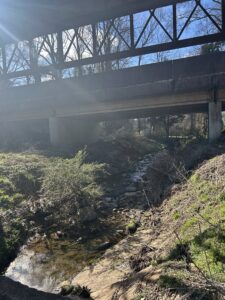
- Hunter Hills Neighborhood Association (HHHNA) has grown from neighborhood cleanups in 2019 to creek restoration projects and beautification efforts. Now, as they celebrate five years, they are transitioning into a Community Development Corporation—charting a path for neighborhood-led development.
- Zion Hill CDC and Historic District Development Corporation (HDDC) anchor legacy communities in Southwest and historic Atlanta, advancing affordable housing and equitable development at scale.
Why It Matters
This is not theory. It’s proof.
In less than a year, the Cohort Program has:
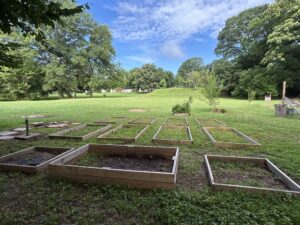
- Restored and expanded green spaces and community gardens across Atlanta
- Advanced affordable housing fights that protect legacy residents
- Secured nearly $300,000 in resident-led funding and investment
- Engaged hundreds of neighbors in shaping development on their own terms
These are numbers that matter because they represent a deeper shift: when communities lead, systems change.
A Model for the Future
What’s happening in Atlanta is bigger than one city. The Cohort Program shows what’s possible anywhere: stop sidelining communities, resource them directly, and let their solutions lead the way forward.
This is how equitable development takes root. This is how climate resilience becomes real. This is how justice is built, community by community.
📩 Stay connected. [Sign up for our newsletter] to follow the movement, hear the stories, and see how you can invest in what’s working.